
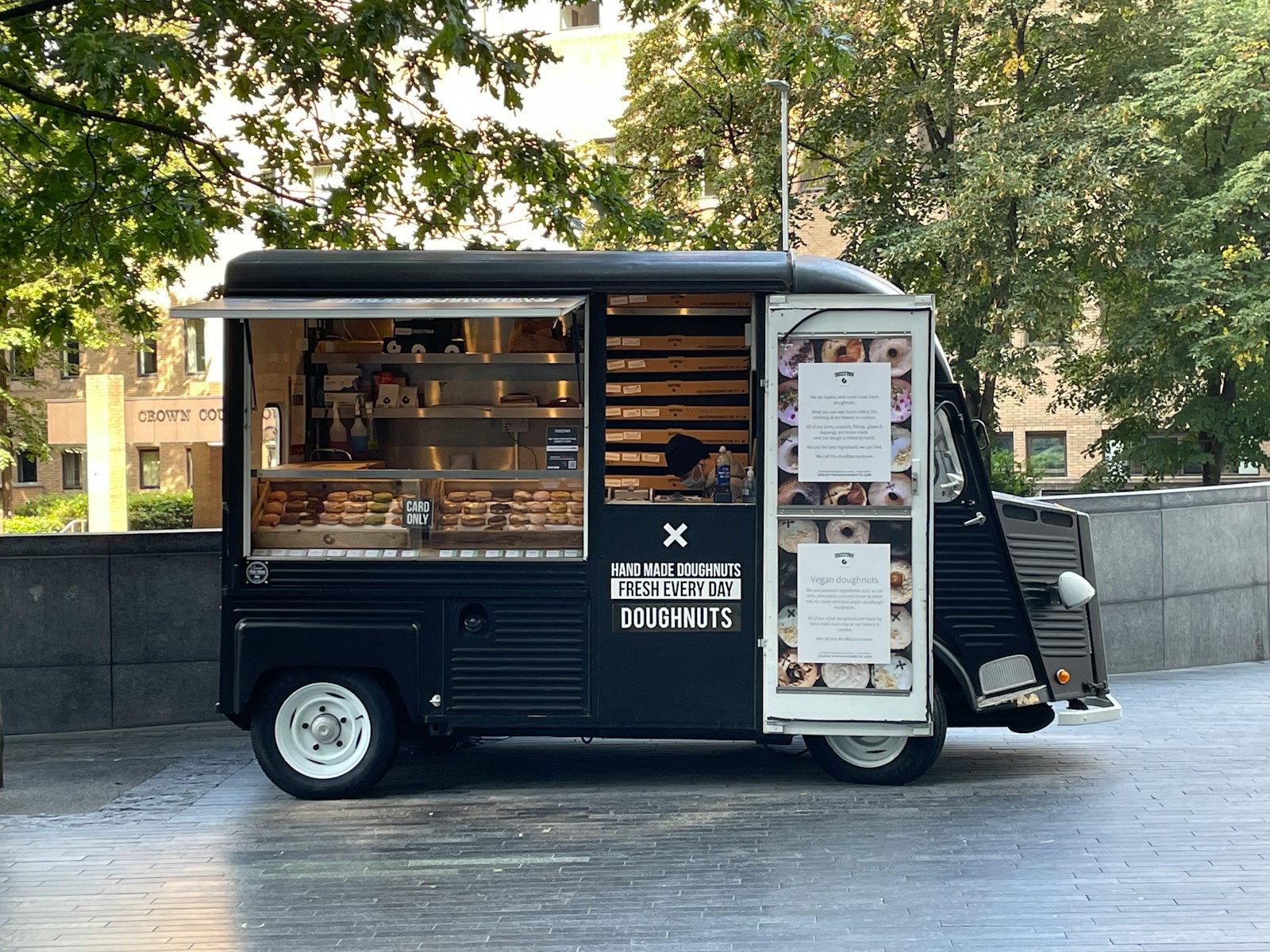
I’ve always been fascinated by how some businesses seem to burst onto the scene overnight. One day they’re unknown and the next everyone’s talking about them. That’s exactly what happened with a local food truck that went from total obscurity to internet sensation—all thanks to some bold guerrilla marketing.
Watching this transformation unfold made me realize just how powerful creative strategy can be. It’s not just about having great food or a catchy name; it’s about making people stop and pay attention. In this article I’ll share how this food truck’s unconventional tactics turned a small idea into a viral phenomenon and what we can all learn from their journey.
The Challenge: Standing Out in a Crowded Food Scene
Navigating the oversaturated food truck market, I saw dozens of trucks offering similar menus and experiences at every event. Competitors relied on standard promotions like daily deals, influencer visits, or paid online ads, often resulting in flat engagement rates. Popular local trucks, including taco and burger specialists, competed for the same lunchtime crowds, using identical marketing playbooks.
Breaking through required a unique identity and a memorable customer experience. Many newcomers, myself included, found that location alone didn’t attract loyal customers in a bustling downtown with hundreds of eateries. Distinguishing my brand from the noise, I recognized that going viral demanded more than placing food photos on social media or joining local festivals.
Building a reputation in this environment, I needed to find a way to create hype while staying authentic. Branding pivots only worked for trucks leveraging their existing following, while less established vendors struggled to create organic buzz. The challenge amplified every week, as new concepts emerged and customer loyalty fragmented digitally.
Embracing Guerrilla Marketing Tactics
I use unconventional guerrilla marketing tactics to make my food truck stand out in a saturated market. Targeting specific audiences with creative, low-cost stunts builds buzz and gets people talking both offline and online.
Creative Pop-Up Events
I create pop-up events to turn everyday spaces into exclusive moments. Setting up in high-traffic spots like college campuses or media hubs with themed “Happy Meal” boxes gives visitors more than food—it gives an experience worth sharing. Attendees snap photos and post stories, amplifying my reach as their friends and followers engage.
Unexpected Partnerships
I partner with unexpected brands to expand my audience far beyond food truck regulars. For example, teaming up with entertainment brands or tech companies brings in fans who might never seek out a food truck. Amazon’s Gen V campaign blended food and pop culture seamlessly, and I mirror this approach by collaborating with recognizable or trending names, generating viral interest and increasing foot traffic.
Interactive Social Media Campaigns
I fuse offline energy with online engagement through interactive social media campaigns. Launching food challenges, running contests that invite user-generated content, or deploying branded hashtags keeps my audience involved and rewards the most enthusiastic ambassadors. Live event coverage and timely reposts of fan content help drive further shares, transforming every customer into an online promoter.
Going Viral: The Turning Point
A single guerrilla marketing stunt can flip a food truck from local unknown to trending topic overnight. I saw my own turning point when creative, unexpected activations caught the community off guard and dominated social feeds, transforming on-the-ground excitement into digital momentum.
The Role of User-Generated Content
User-generated content quickly amplified my food truck’s visibility. Every time someone snapped a photo with my bold branding or shared video clips of their experience—like tackling our oversized meal challenge—they triggered a chain of online interactions. I encouraged hashtags and interactive contests, which enticed more people to document and share their own stories. This social proof fostered credibility and invited a broader audience, as each post introduced my food truck to new feeds and expanded my reach exponentially.
Influencer Collaborations and Community Engagement
Partnering with local influencers and community figures multiplied my campaign’s impact. I invited micro-influencers and area media to exclusive tastings, knowing their authentic reactions would resonate with their followers and legitimize my concept. Collaborating with nearby businesses and event organizers unlocked new locations and integrated my brand into community happenings. Every shared post or mention from trusted local voices deepened my connection with the audience, expanded my demographic range, and fueled word-of-mouth buzz well beyond my physical truck.
Lessons Learned from Going Viral
Knowing my audience drove every guerrilla campaign I launched. I studied where my target customers hung out and what excited them—whether that meant targeting college campuses with late-night events or tapping into pop culture moments, like fan conventions, to surprise and engage. Deep audience insights let me pick tactics that felt personal and relevant, never generic.
Creating immersive, interactive experiences gave my food truck a unique edge. People didn’t just see an ad—they stepped into a story. For example, when Amazon Prime Video brought in a Gen V-themed food truck, fans got more than a meal; they entered the show’s world, making the experience memorable and highly shareable. I focused on transforming every promotion into an event, encouraging direct participation and emotional connections.
Leveraging word-of-mouth worked better than any paid ad. When people shared their reactions, tagged us in videos, or brought friends for a food challenge, those organic endorsements spread my story further and more credibly. Word-of-mouth influenced over 50% of purchasing decisions according to industry data, so every viral moment had outsize impact compared to traditional ads.
Using bold, unconventional tactics separated my brand from the crowd. I experimented with custom wraps, flash mobs, and branded giveaways. These surprises stopped people in their tracks, generated buzz across social platforms, and cost far less than a standard ad campaign. Audiences remembered the unexpected, not the predictable.
Maximizing visibility at key times amplified each campaign. I synchronized stunts with high-traffic local events and cultural touchpoints—like music festivals or holiday markets—expanding engagement in real time, then watching the content spread online for days after.
Integrating social media into every guerrilla effort made sharing instinctive for customers. I designed campaigns to be Instagram- and TikTok-friendly, prompting tagging, challenges, and hashtag use. This strategy extended reach beyond the physical moment, turning one event into hundreds of digital impressions and new followers.
By applying these lessons, I moved my food truck from local afterthought to trending viral topic, tapping into simple, creative guerrilla marketing that delivered measurable buzz and explosive online growth.
Tips for Food Truck Owners Looking to Replicate Success
Consider guerrilla marketing tactics carefully when aiming to stand out in a crowded market. First, research your audience profoundly—analyze their social habits, event attendance, and digital platforms to understand what excites and motivates them. For example, use surveys or engage directly at community events to capture actionable insights.
Choose influencer partners strategically, partnering only with creators who align closely with your values and cuisine style. Select regional micro-influencers with engaged local followings rather than broad-appeal celebrities, since authenticity drives more organic engagement and traffic.
Prioritize immersive experiences over generic giveaways. Rather than handing out free samples, build themed setups or interactive moments that encourage customers to take photos and share them online. Use branded elements like custom packaging, on-truck art, or pop-culture tie-ins to spark online conversations and boost repeat visits.
Amplify every event’s reach with deliberate social media integration. Launch hashtag challenges, prompt user-generated content, and feature customer stories on your channels to transform guests into brand advocates. For instance, run a promotion for the best event photo to increase shares and online mentions.
Plan meticulously for logistics, securing all permits and checking local ordinances before launching any campaign. Prepare backup plans for high-traffic events and verify regulations, as legal missteps can overshadow creative efforts and impact reputation.
Monitor results closely and remain agile. Track engagement metrics, customer feedback, and food quality consistently. Adjust strategies based on what’s resonating and refine future campaigns for even more targeted results. By staying creative yet disciplined, I see food truck owners creating real buzz and building meaningful loyalty.
Conclusion
Watching this food truck go from a local secret to an online sensation has shown me just how far creativity and boldness can take a brand. It’s not about outspending the competition but outsmarting them with memorable experiences that people can’t help but share.
If you’re willing to think outside the box and truly connect with your audience you’ll find that even the smallest venture can spark a movement. Authentic engagement and a willingness to experiment are what set the real game-changers apart.
Frequently Asked Questions
How did the food truck gain sudden popularity?
The food truck became popular by using innovative guerrilla marketing tactics, engaging pop-up events, and forming unique brand partnerships, which generated buzz and encouraged people to share their experiences online.
What is guerrilla marketing, and why is it effective for food trucks?
Guerrilla marketing uses unconventional and creative tactics to attract attention without spending a lot of money. For food trucks, it cuts through the noise in competitive markets and reaches audiences in memorable ways, driving word-of-mouth.
How important is social media for a food truck’s success?
Social media is essential, as it helps transform local events into shareable experiences, amplifies visibility, and fuels organic growth through user-generated content, hashtags, and influencer partnerships.
Are pop-up events beneficial for food trucks?
Yes, pop-up events help food trucks stand out by offering exclusive experiences. They encourage attendees to share online, expand the brand’s reach, and foster a sense of community.
How can food trucks build a loyal customer base?
Food trucks can build loyalty by creating unique, immersive experiences, providing excellent service, maintaining authenticity, and actively engaging with their community both online and offline.
What role do partnerships play in successful food truck marketing?
Strategic partnerships with other brands or influencers enable food trucks to access new audiences, gain credibility, and make their campaigns more dynamic and wide-reaching.
Why is knowing your audience important in food truck marketing?
Understanding your audience helps tailor marketing efforts, menus, and experiences to meet their preferences, making campaigns more relevant and likely to generate lasting customer engagement.
What are some creative marketing tactics beyond social media?
Aside from social media, food trucks can use custom vehicle wraps, flash mobs, interactive contests, themed events, and collaborations with local personalities to attract attention and stand out.
What key lessons can other food truck owners learn from this success story?
Owners should research their audience thoroughly, create immersive experiences, choose influencer partners carefully, leverage social media, and be both bold and disciplined in their marketing strategies.
How can food trucks measure the success of their marketing efforts?
Food trucks can track social media engagement, event attendance, customer feedback, repeat business, and collaboration outcomes to evaluate what’s working and adjust their strategies accordingly.