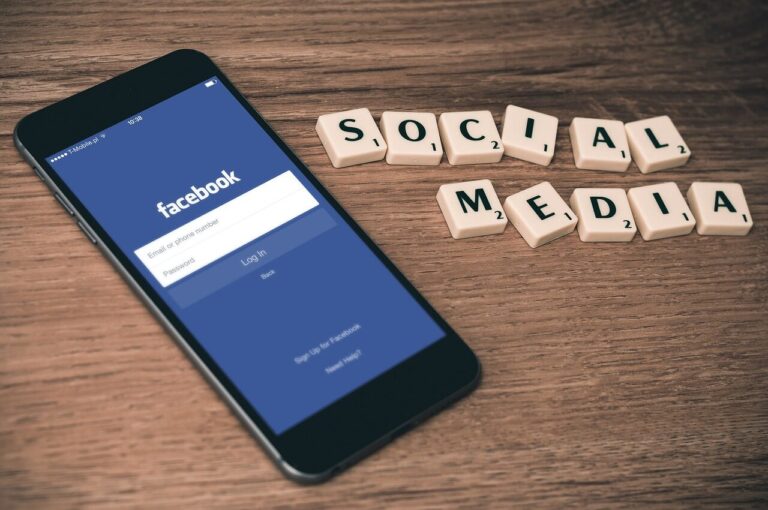
Ever feel like your Facebook ads just aren’t converting the way you hoped? I’ve been there and I know how frustrating it can be to watch potential customers slip away without taking action. That’s where Facebook retargeting comes in—it’s one of the most powerful tools for bringing interested visitors back and turning clicks into real sales.
With the right strategy you can stop wasting your ad budget and start seeing real results. I’ll walk you through a simple step-by-step process so you can create Facebook retargeting campaigns that actually drive profit. Whether you’re new to retargeting or looking to sharpen your approach you’re in the right place.
Understanding Facebook Retargeting Campaigns
Facebook retargeting campaigns help me reach people who’ve already interacted with my business online, using targeted ads to re-engage visitors who didn’t complete a desired action. I focus on building custom audiences based on recent behaviors, like product page views, cart abandonment events, or engagement with my Facebook posts or videos. This way, I can deliver contextually relevant ads to individuals at different stages of the buying journey—for example, reminding cart abandoners about their unfinished purchase or offering a limited-time discount to window shoppers.
I use the Facebook Pixel, a tracking tool, to collect data about user actions on my site. The pixel enables me to measure the effectiveness of my ads, optimize future targeting, and ensure the right message reaches each user segment. Facebook lets me set up dynamic retargeting, showing product-specific ads to each visitor based on their previous activity, which leads to higher click-through rates and improved ROI compared to standard campaigns.
Precise audience segmentation and continuous ad optimization are essential for running profitable Facebook retargeting campaigns. I regularly monitor campaign performance metrics such as frequency, relevance score, and ROI to refine my strategy and maximize conversions. By leveraging these strategies, I create cost-effective campaigns that consistently bring back valuable prospects and drive scalable business growth.
Preparing for a Successful Retargeting Campaign
Effective preparation shapes outcomes in Facebook retargeting. I focus on precise planning, strong goals, and technical readiness before launching campaigns.
Defining Your Campaign Goals
Clear goals drive my retargeting campaigns. I choose among conversions, website traffic, lead generation, or catalog sales. For example, conversions work best when I target users who abandoned checkout, and lead generation fits when I want users to fill a contact form. I select my ad format by goal—dynamic catalog ads align with product-specific retargeting, and single-image ads deliver brand reminders. I set measurable KPIs like frequency, cost per conversion, and return on ad spend (ROAS), enabling ongoing optimization based on reliable data.
Setting Up the Facebook Pixel
I install the Facebook Pixel on my website to capture visitor actions, such as page views, add-to-cart clicks, or purchases. For mobile apps, I use the Facebook SDK instead. Pixel data lets me create Custom Audiences in Facebook Ads Manager, segmenting users by their behavior—recent page visits, cart adds, or active social engagement. I configure time frames between 30 and 180 days, narrowing my audience to users with specific engagement levels. This technical setup ensures I reach relevant segments with contextual retargeting, increasing campaign profitability.
Step-by-Step Guide to Running Profitable Facebook Retargeting Campaigns
Precise targeting combined with tailored creative and consistent optimization drives Facebook retargeting performance. Every stage in this workflow builds on the previous steps, ensuring profitable campaigns.
Segmenting Your Audience for Maximum Impact
Audience segmentation increases ad relevance and conversion rates in Facebook retargeting campaigns. I start by building Custom Audiences using recent website activity, cart abandonment, past purchases, and engagement with specific content or posts. I segment by behavioral stage—grouping users browsing versus those showing strong purchase intent. I also exclude users who already converted, reducing wasted spend and ad fatigue. Engagement-based retargeting hones in on users who interacted with key products or posts, narrowing the focus to those closest to buying.
Crafting High-Converting Ad Creatives
Dynamic ads showcase products each user viewed, increasing message relevance. I align ad creative and landing page branding for a seamless experience. I use compelling, clear calls-to-action personalized by segment, like “Complete Your Purchase” for cart abandoners or “Limited Time Offer” for return shoppers. Engaging visuals and tailored copy speak to each audience’s unique intent—reminders for browsing, exclusive deals for buyers, and re-engagement messages for previous interactors.
Optimizing Your Campaign Budgets and Bidding Strategies
Budget and bid optimization sustain profitability in retargeting. I concentrate budgets on recent website visitors from the past 15–30 days, as these users show higher conversion potential. I regularly test lowest-cost and cost-cap bid strategies across segments, comparing results to find the highest ROI. Monitoring ad frequency enables me to avoid overexposing users and diminishing returns. Using Facebook’s campaign budget optimization allocates spend dynamically based on which ad sets convert best.
Setting Up Campaign Tracking and Analytics
Accurate tracking underpins every profitable retargeting campaign. I implement Facebook’s Meta Pixel to capture page views, add-to-cart events, and purchases, creating the foundation for audience segmentation and performance analysis. Custom conversion events let me track specific business goals like lead submissions or checkout completions. I monitor KPIs including click-through rate (CTR), cost per acquisition (CPA), return on ad spend (ROAS), and frequency within Ads Manager. Ongoing analysis and iterative improvements help me refine segments, creative, and bids to sustain and grow campaign profitability.
Analyzing and Refining Your Retargeting Campaigns
I analyze my Facebook retargeting campaign metrics to make informed optimization decisions. Precise tracking pinpoints the most efficient segments and creatives, allowing me to reallocate budget and refresh underperforming ads for sustained profitability.
Interpreting Performance Data
I review key metrics like frequency, cost per result, and return on ad spend to evaluate retargeting effectiveness. If frequency climbs above 3-4, I risk ad fatigue, so I monitor this value closely. I focus on Custom Audiences that drive conversions, such as cart abandoners or product viewers, and compare their engagement rates. Testing multiple ads lets me identify my top performers—those creatives or audiences delivering the lowest cost per conversion and the highest ROI. Using Facebook’s analytics, I isolate ad sets with subpar click-through rates or high costs, giving priority to segments that consistently outperform.
Implementing Strategic Adjustments
I refine my targeting by excluding recent converters and narrowing audiences based on campaign results, targeting high-value segments like users who initiated checkout but didn’t purchase. I align my creative strategy with each stage of the customer journey, matching incentives to users’ past behavior—offering timed discounts for recent browsers or scarcity messaging for frequent product viewers. I scale budgets on well-performing ad sets, pausing or duplicating ads to focus spend on the strongest performers. If campaigns plateau, I rotate fresh creatives and expand testing to new audience combinations, driving continuous performance improvements.
Common Pitfalls to Avoid in Facebook Retargeting
Overlooking retargeting campaigns squanders valuable traffic. Many spend on cold traffic ads but never activate retargeting, missing out on engaging users who’ve already shown intent.
Broadly segmenting audiences reduces relevance. I ensure audience segments reflect real user actions, such as product viewers and cart abandoners, to serve contextually specific ads.
Neglecting to exclude previous converters inflates spend and irritates loyal customers. I always remove these individuals from retargeting lists to conserve budget and promote positive brand sentiment.
Repeating ads too frequently causes ad fatigue. Ad frequency rises quickly with narrow audiences, so I monitor delivery to keep exposure rates low and engagement high.
Forgetting to diversify ad creatives weakens campaign impact. I test different headlines and visuals targeted to each behavior segment and funnel stage so ads answer real user objections.
Failing to test audience segments and ad variations curbs performance gains. I run A/B tests regularly to refine targeting and messaging until I identify combinations with the highest conversion rates.
Running retargeting campaigns without these checks burns budget and depresses campaign ROI. I structure my retargeting to address each of these issues as foundational steps.
Conclusion
Mastering Facebook retargeting campaigns isn’t just about following steps—it’s about staying curious and agile as you grow your business. I always find that the most successful campaigns come from ongoing testing and a willingness to adapt as results come in.
If you’re ready to boost conversions and make the most of your ad spend don’t hesitate to put these strategies into action. With careful planning and a focus on your audience’s real behavior you’ll see your Facebook retargeting efforts deliver real results.
Frequently Asked Questions
What is Facebook retargeting?
Facebook retargeting is an advertising strategy that targets users who have previously interacted with your business online. By showing tailored ads to these interested visitors, you encourage them to return and complete actions like purchasing or signing up.
Why are retargeting campaigns important for Facebook ads?
Retargeting campaigns help recover lost sales by reminding users who showed interest but didn’t convert. They deliver personalized ads that are more relevant, increasing the chances of engagement and boosting return on investment (ROI).
How does the Facebook Pixel help with retargeting?
The Facebook Pixel is a tracking code placed on your website. It collects data about user actions, helping you create custom audiences, track conversions, and measure ad effectiveness for more precise retargeting.
What are Custom Audiences in Facebook Ads Manager?
Custom Audiences are groups of users who have previously engaged with your website, app, or Facebook page. They allow you to serve retargeting ads to specific segments based on user behaviors like product views or cart abandonment.
What is dynamic retargeting on Facebook?
Dynamic retargeting automatically shows ads featuring specific products that users viewed or added to their cart. This personal touch increases the chances of users returning to complete their purchase.
How can I segment my audience for better retargeting results?
Segment your audience by behaviors, such as viewing product pages, abandoning carts, or visiting certain sections. Also, exclude users who’ve already converted to optimize your ad spend and avoid unnecessary overlap.
What are some effective ad creative tips for retargeting?
Use clear and relevant messages that match users’ previous actions. Highlight product benefits, use strong calls to action, and showcase items they viewed. Rotating creatives helps prevent ad fatigue and keeps your campaigns fresh.
Which performance metrics should I monitor in retargeting campaigns?
Track metrics like frequency, cost per result, click-through rate (CTR), and return on ad spend (ROAS). These help you evaluate campaign effectiveness and make informed adjustments to improve performance.
How often should I optimize my Facebook retargeting campaigns?
Continuous optimization is key. Review performance data at least weekly to identify winning audiences and creatives, adjust budgets, and test new approaches for sustained results.
What common mistakes should I avoid in Facebook retargeting?
Avoid setting overly broad audiences, neglecting to exclude previous converters, repeating ads too often, or using generic ad creatives. Regularly update your ads and audience segments to prevent budget waste and maximize ROI.